How to Choose the Best EV Charger Installation for Your Home (Compared)
![[HERO] How to Choose the Best EV Charger Installation for Your Home (Compared)](https://cdn.marblism.com/uddKknZeXzb.webp)
You made the switch to an electric vehicle. Smart move. Now comes the next decision: how do you charge it at home efficiently, safely, and without breaking the bank?
Choosing the right EV charger installation isn't as straightforward as picking the shiniest unit off the shelf. Your electrical panel capacity, daily driving habits, and budget all play a role. And the installation itself? That's where the real difference between a reliable setup and a potential headache begins.
At Steady-State Electric, we've helped countless homeowners navigate this decision. Let us walk you through everything you need to know to make the best choice for your home.
Why Home EV Charging Matters
Here's a number worth remembering: charging at home costs roughly one-third of what you'd pay at a public DC fast-charging station. Over the life of your vehicle, that savings adds up fast.
Beyond cost, home charging offers convenience. You plug in when you get home, and you wake up to a full battery. No detours. No waiting in line. No apps showing you the nearest available station.
But to get those benefits, you need the right equipment: and the right installation.
Level 1 vs. Level 2 Charging: What's the Difference?
This is the first fork in the road. Understanding the difference between Level 1 and Level 2 charging helps you decide how much to invest upfront.
Level 1 Charging
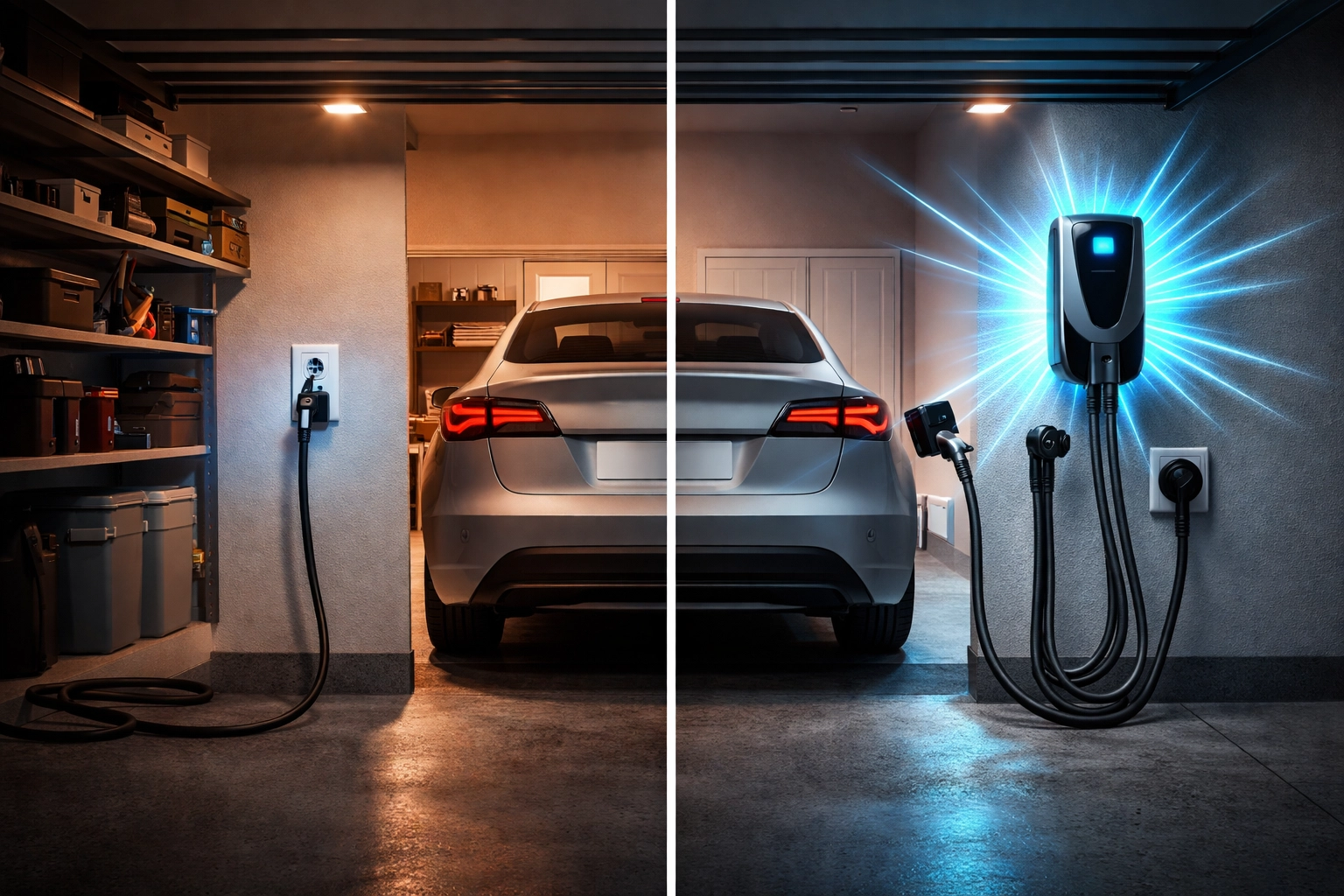
Level 1 charging uses a standard 120-volt household outlet. Most EVs come with a Level 1 charger in the box.
The Good:
- No installation costs
- Works with any standard outlet
- Fine for plug-in hybrids or very light daily driving
The Not-So-Good:
- Adds only 3-5 miles of range per hour
- A full charge can take 40+ hours for larger batteries
- Not practical for daily commuters
Level 1 works in a pinch. But if you drive more than 30-40 miles a day, you'll quickly outgrow it.
Level 2 Charging
Level 2 charging uses a 240-volt circuit: the same type that powers your dryer or oven. This is the standard for serious home EV charging.
The Good:
- Adds 25-30 miles of range per hour
- Full charge overnight for most vehicles
- Future-proofs your setup for larger battery EVs
The Not-So-Good:
- Requires dedicated circuit installation
- Higher upfront cost (equipment + installation)
For most homeowners, Level 2 is the clear winner. The speed and convenience justify the investment, especially as EV batteries continue to grow larger.
Hardwired vs. Plug-In Installation
Once you've decided on Level 2, you face another choice: hardwired or plug-in?
Hardwired Installation
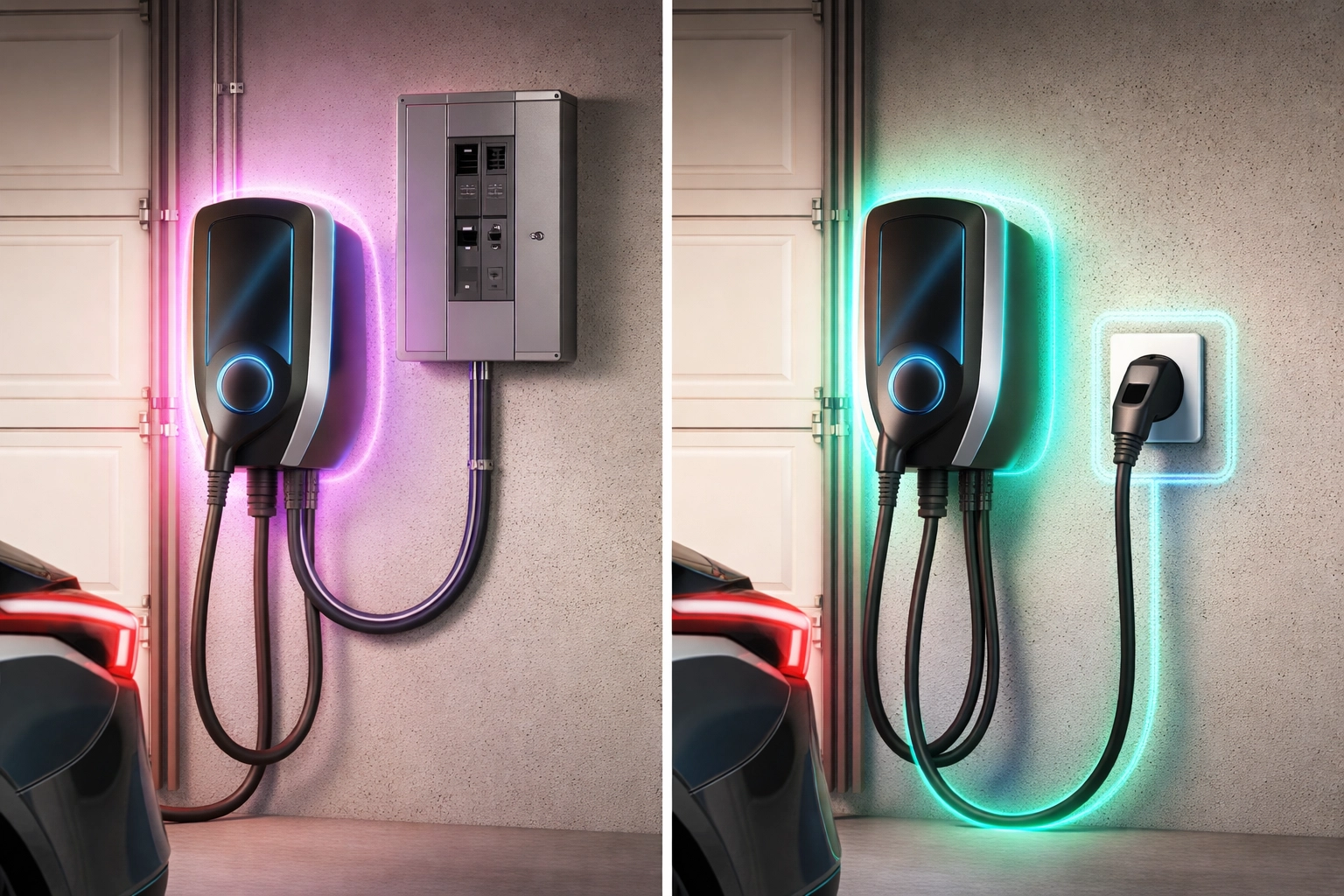
A hardwired charger connects permanently to your electrical system. There's no outlet involved: the unit wires directly into a dedicated circuit.
Advantages:
- Supports maximum power output (up to 12 kW)
- Cleaner, more permanent appearance
- Often required for the highest-amperage units
Considerations:
- Less portable if you move
- Installation requires a licensed electrician
Plug-In Installation
A plug-in charger connects to a NEMA 14-50 outlet: the same outlet type used for electric ranges and RV hookups.
Advantages:
- Easier to take with you if you move
- Simpler installation in some cases
- Good flexibility for renters or those planning to relocate
Considerations:
- Typically maxes out at 9.6 kW
- Outlet must be professionally installed for safety
Both options require professional electrical work. The difference comes down to your priorities: maximum charging speed or maximum flexibility.
Key Features to Consider
Not all EV chargers are created equal. Here's what separates a good charger from a great one.
Power Output
Home EV chargers range from 3.8 kW to 12 kW. Higher wattage means faster charging: but also higher electrical demands.
| Power Output | Amps | Approximate Range Added Per Hour |
|---|---|---|
| 7.7 kW | 32A | 25 miles |
| 9.6 kW | 40A | 30 miles |
| 11.5 kW | 48A | 35 miles |
| 12 kW | 50A | 37 miles |
For most households, a 48-amp charger hits the sweet spot between speed and electrical feasibility.
Connector Type
Modern chargers typically offer J1772 or NACS connectors: or both.
- J1772: The traditional standard, compatible with most non-Tesla EVs
- NACS: Tesla's connector, now being adopted industry-wide
If you're unsure which vehicles you'll own in the future, look for a charger with dual connector support.
Smart Features
Some chargers include app connectivity, energy monitoring, and scheduling capabilities. These features let you:
- Schedule charging during off-peak electricity hours
- Monitor energy usage and costs
- Receive notifications when charging completes
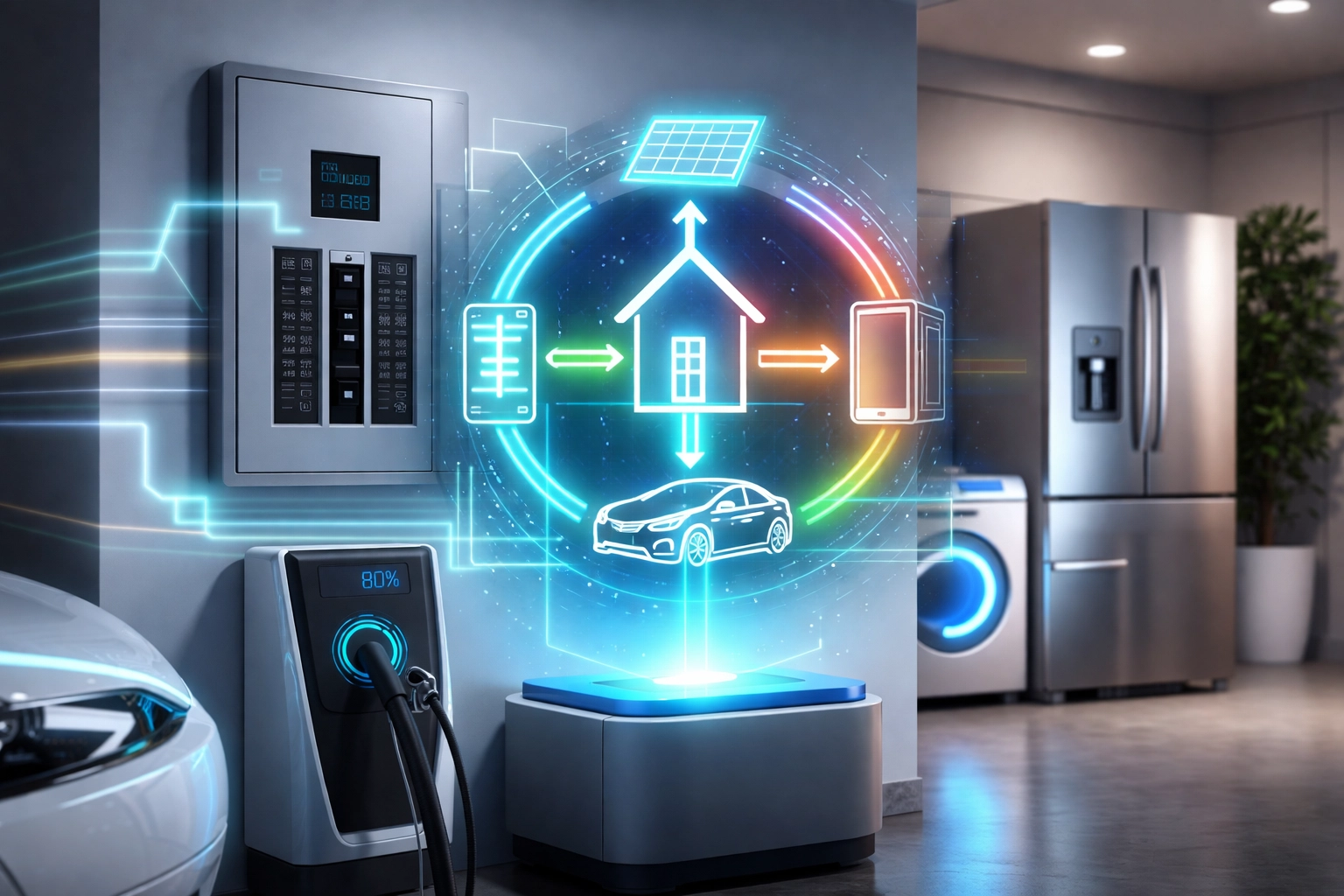
One feature worth highlighting: dynamic load management. Chargers with this technology automatically adjust charging rates based on your home's total electrical usage. This prevents panel overloads and can save you thousands in potential panel upgrade costs.
Why Professional Installation Matters
We'll be direct: EV charger installation is not a DIY project.
A Level 2 charger draws serious power. Improper installation can lead to circuit overloads, electrical fires, or damage to your vehicle's charging system. And if something goes wrong, your homeowner's insurance may not cover damage from unpermitted electrical work.
Here's what professional installation ensures:
Proper Circuit Sizing
Your electrician will calculate the correct wire gauge and breaker size for your specific charger. Undersized wiring creates fire hazards. Oversized breakers defeat their protective purpose.
Panel Capacity Assessment
Many homes: especially older ones: don't have spare capacity in their electrical panels. A licensed electrician can assess whether your panel can handle the additional load or if an upgrade is necessary.
Code Compliance
Electrical codes exist for safety. Professional installation ensures your setup meets local requirements, passes inspection, and keeps your home protected.
Warranty Protection
Most EV charger manufacturers require professional installation to honor their warranties. Skip the electrician, and you may void your coverage.
At Steady-State Electric, we handle the entire process. We assess your panel, recommend the right equipment, pull necessary permits, and install everything to code. You get peace of mind and a charging setup that performs reliably for years.
Popular EV Charger Options Compared
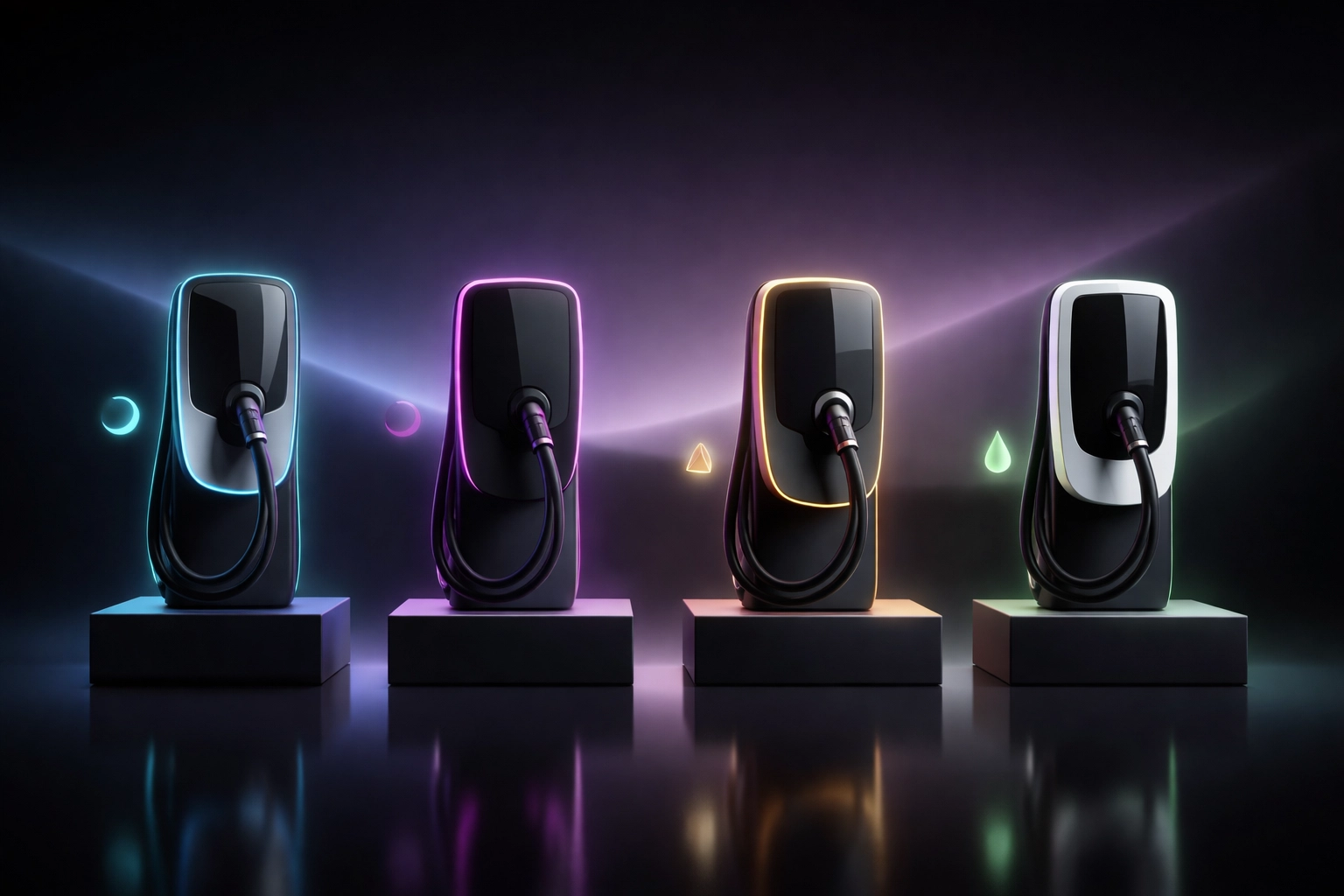
To help you narrow down your choices, here's a quick comparison of top-rated home EV chargers:
| Model | Price | Power Output | Best For |
|---|---|---|---|
| ChargePoint Home Flex | $549 | 50A (12 kW) | Maximum power and flexibility |
| Grizzl-E Ultimate 48A | $479 | 48A (11.5 kW) | Best value |
| Emporia Pro | $599 | 48A (11.5 kW) | Smart load management |
| Tesla Universal Wall Connector | $600 | 48A (11.5 kW) | Longest warranty, dual connectors |
Each of these units delivers excellent performance. Your choice depends on your budget, desired features, and vehicle compatibility.
Ready to Power Your EV the Right Way?
Choosing an EV charger is an investment in convenience, savings, and your vehicle's longevity. The right setup: properly installed: makes home charging effortless.
We're here to help you navigate every step. From assessing your electrical panel to recommending the best charger for your needs to installing it safely and to code, Steady-State Electric delivers expert service you can trust.
Your EV deserves reliable power. Your home deserves expert installation.
Contact us today to schedule your EV charger consultation.