Do You Really Need a Whole House Surge Protector? Here's the Truth
![[HERO] Do You Really Need a Whole House Surge Protector? Here's the Truth](https://cdn.marblism.com/xujzx80w34M.webp)
You've probably got a power strip or two protecting your TV and computer. Maybe you feel pretty confident about your surge protection setup. But here's the truth: those power strips are only doing part of the job.
Your home is full of expensive electronics and appliances, smart TVs, refrigerators, HVAC systems, washers, dryers, and security systems. Many of these connect directly to your electrical system without ever touching a power strip. When a surge hits, they're completely exposed.
A whole house surge protector changes that equation. It guards your entire electrical system at the source, protecting everything from your kitchen appliances to your garage door opener. Let's break down what you need to know.
What Exactly Is a Whole House Surge Protector?
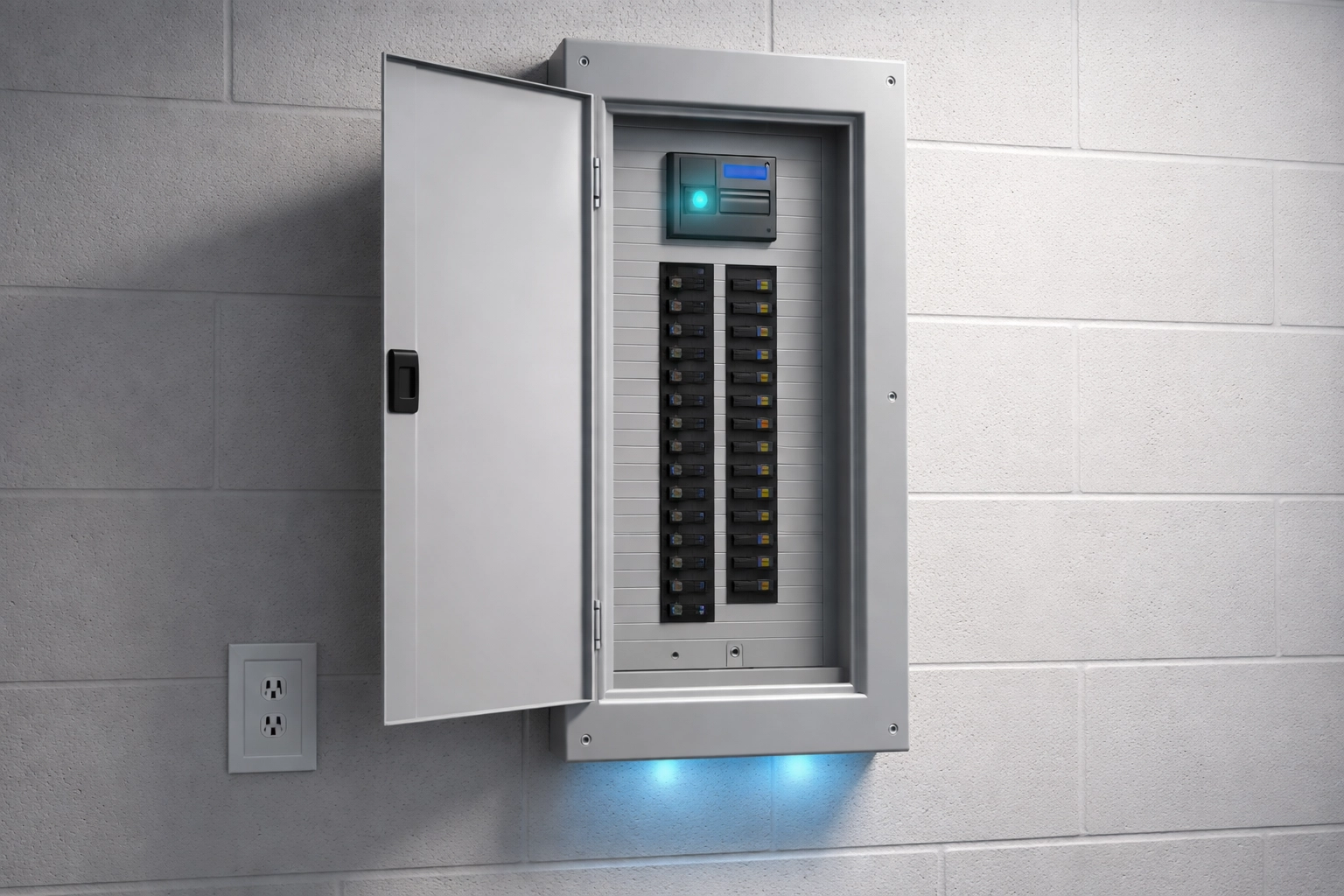
A whole house surge protector is a device installed directly at your main electrical panel. It acts as a gatekeeper for your entire home's electrical system. When a surge enters your home, whether from the power grid or from inside, the protector diverts that excess voltage safely to the ground before it can reach your devices.
Think of it as a first line of defense. Power strip surge protectors work at the outlet level, protecting only what's plugged into them. A whole house system works upstream, catching surges before they travel through your home's wiring.
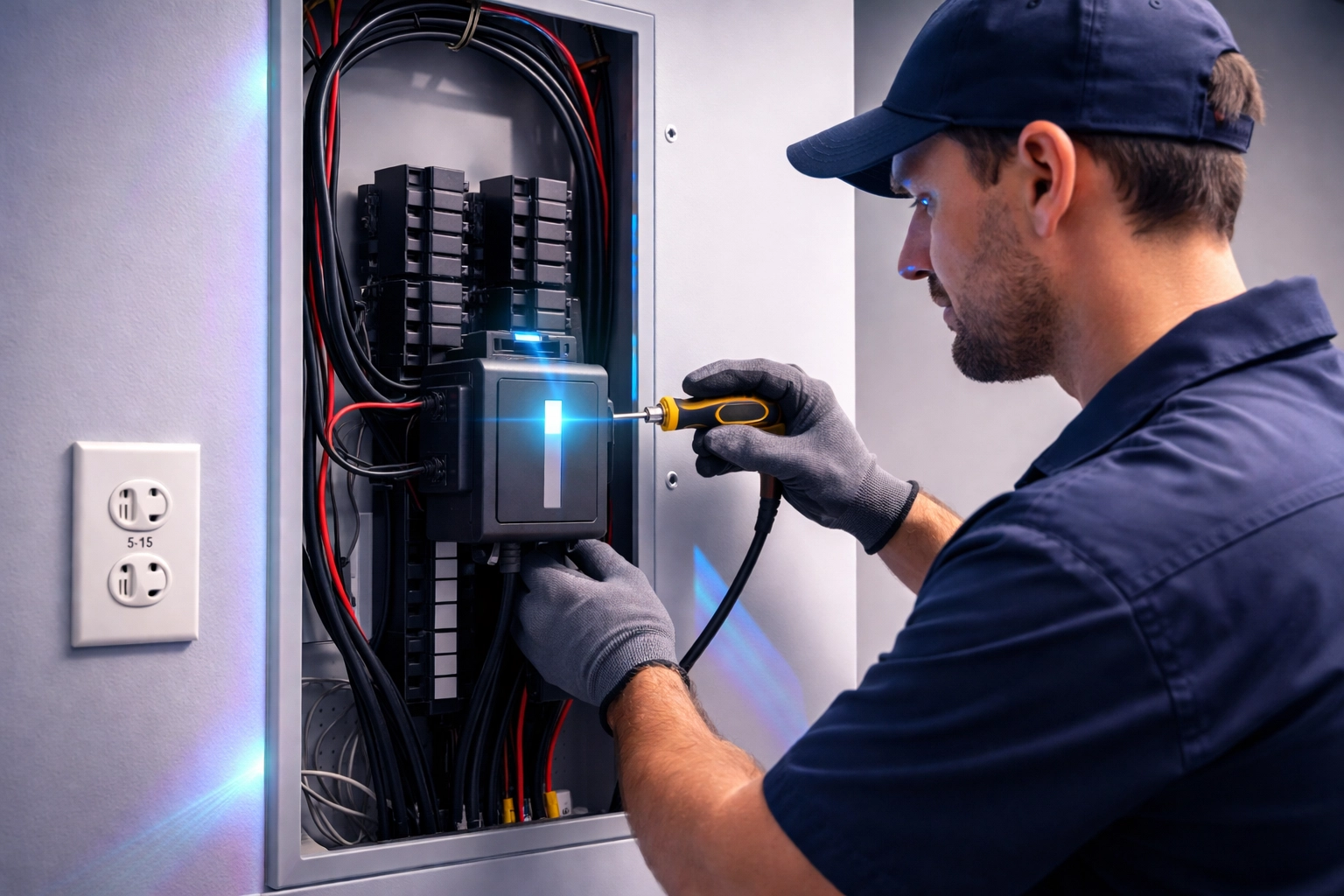
The installation is straightforward for a licensed electrician. The device mounts inside or next to your breaker panel and connects to your electrical system. Once installed, it works automatically with no maintenance required from you.
Where Do Power Surges Actually Come From?
Most people assume lightning is the main culprit. While lightning strikes absolutely cause devastating surges, they're not the most common source.
According to the National Electrical Manufacturers Association (NEMA), up to 80 percent of power surges originate inside your own home. That's right, the threat is often coming from within.
Internal surge sources include:
- Large appliances cycling on and off (HVAC units, refrigerators, washing machines)
- Loose wiring connections
- Load switching between circuits
- Power tools and equipment in your garage or workshop
These internal surges are smaller than lightning strikes, but they happen constantly. Over time, they degrade the sensitive electronics inside your appliances and devices. You might not notice the damage right away. But one day, your refrigerator's control board fails. Your smart thermostat stops working. Your garage door opener gives out years before it should.
External surge sources include:
- Lightning strikes (direct or nearby)
- Utility grid switching
- Downed power lines
- Transformer malfunctions
- Power restoration after outages
External surges tend to be larger and more immediately destructive. A single lightning strike can fry every unprotected device in your home in an instant.
What Does a Whole House Surge Protector Actually Protect?
Here's where the real value becomes clear. A whole house system protects devices that power strips simply cannot reach.
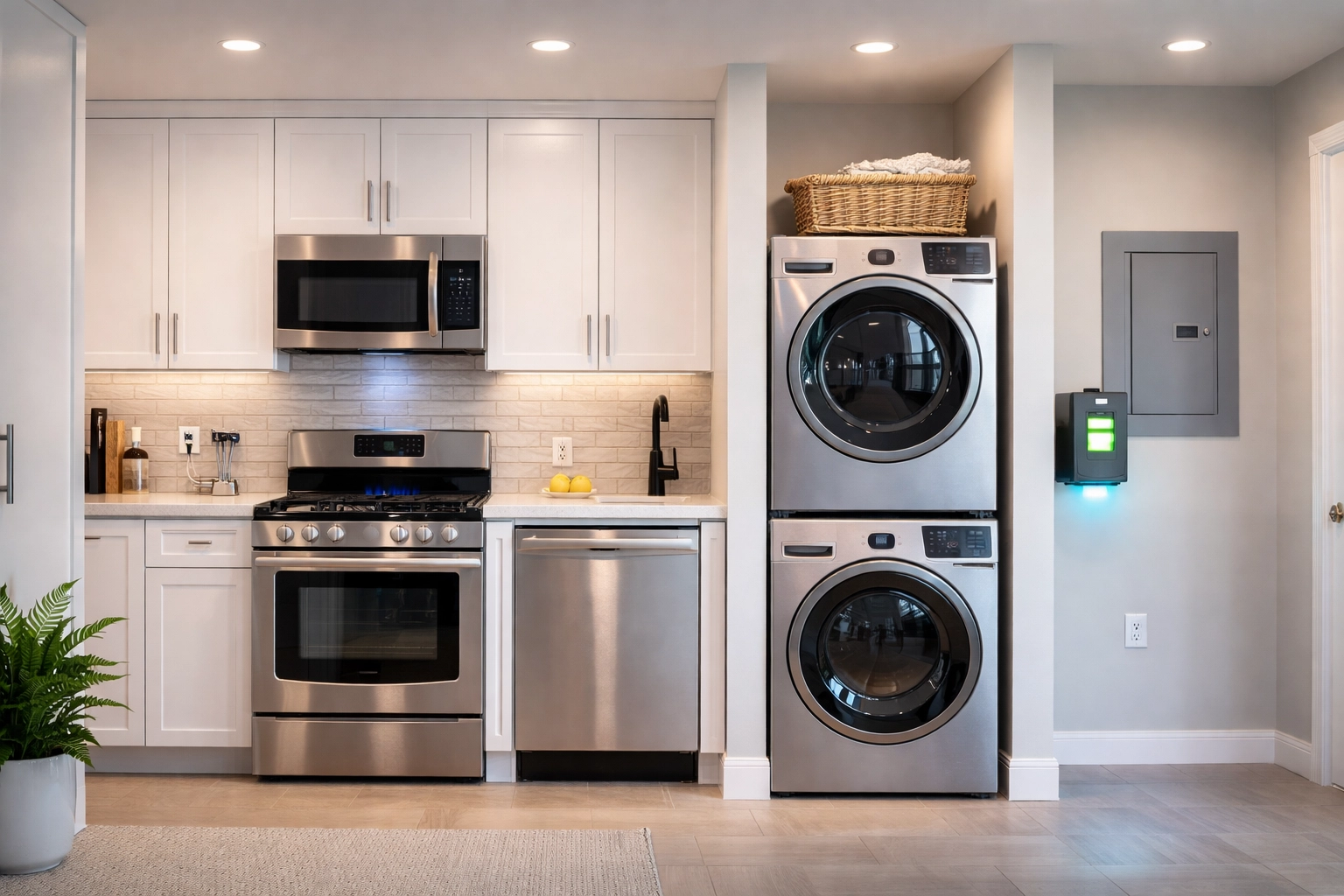
Hard-wired appliances and systems:
- Central air conditioning and heating systems
- Electric stoves and ovens
- Built-in dishwashers
- Garage door openers
- Security and alarm systems
- Smoke detectors
- Electric water heaters
- Ceiling fans and built-in lighting
Your electrical infrastructure:
Beyond appliances, a whole house protector safeguards your home's entire electrical infrastructure, the wiring, outlets, switches, and circuits throughout your walls. Replacing damaged electrical infrastructure can cost $8,000 or more, not including the cost of repairing walls and finishes to access the wiring.
Electronics throughout your home:
When paired with point-of-use surge protectors at sensitive equipment like computers and home theater systems, you create a layered defense. The whole house unit handles the big surges. The point-of-use protectors handle any residual voltage that gets through.
The Numbers Make Sense
Let's talk investment versus risk.
A whole house surge protector typically costs between $200 and $700, including professional installation. That's a one-time expense for a device that lasts for years.
Now consider what's at stake. The average American home contains thousands of dollars worth of electronics and appliances. A single major surge event can easily cause $10,000 or more in damage. And that doesn't account for the inconvenience, the time spent filing insurance claims, or the days without a working refrigerator or HVAC system.
When you look at it that way, the math is simple. A few hundred dollars now versus potentially devastating losses later.
It's Not Just Smart, It's Required
The 2020 National Electrical Code (NEC) now requires whole house surge protection for new home construction and major electrical upgrades. This isn't just a recommendation. It's a legal requirement in most jurisdictions.
Why did the NEC make this change? Because modern homes depend on sensitive electronics more than ever before. Your HVAC system has computerized controls. Your kitchen appliances have digital displays and circuit boards. Even your garage door opener contains sophisticated electronics. The NEC recognized that protecting these systems isn't optional anymore, it's essential.
If you're building a new home, your electrical contractor will include surge protection as part of the installation. But if you're in an existing home built before these requirements took effect, you likely don't have this protection in place.
Why Professional Installation Matters
You might be tempted to treat surge protection as a DIY project. We strongly advise against it.
Working inside your main electrical panel involves direct exposure to high-voltage electricity. This is not the place for experimentation or guesswork. A mistake can cause serious injury, damage your electrical system, or create fire hazards that put your family at risk.
Professional installation ensures:
- Proper sizing – The surge protector must be rated appropriately for your electrical system
- Correct connections – Every wire must be connected precisely according to manufacturer specifications
- Code compliance – The installation must meet all local electrical codes and permit requirements
- Warranty protection – Many surge protector warranties require professional installation
At Steady-State Electric, we believe in doing it right the first time. That means proper equipment selection, meticulous installation, and thorough testing before we consider the job complete. Your home's electrical system is too important for shortcuts.
Signs You Need Surge Protection Now
Not sure if this applies to you? Consider these questions:
- Do you live in an area with frequent thunderstorms?
- Have you experienced flickering lights or power fluctuations?
- Do you have expensive electronics or smart home systems?
- Is your home more than 10 years old without surge protection?
- Have you recently upgraded your HVAC system or major appliances?
If you answered yes to any of these, whole house surge protection deserves your attention.

The Bottom Line
Do you really need a whole house surge protector? For most homeowners, the answer is yes.
The cost is modest. The protection is comprehensive. And the peace of mind is genuine. You'll know that your HVAC system, your appliances, your security system, and your entire electrical infrastructure have a reliable first line of defense against power surges.
Power strips have their place. But they're not a complete solution. A whole house surge protector fills the gaps and provides the foundation for true electrical protection.
Ready to Protect Your Home?
At Steady-State Electric, we specialize in surge protection installations that safeguard your home's electrical system and everything connected to it. We use quality equipment, follow manufacturer specifications precisely, and ensure every installation meets or exceeds code requirements.
Your home deserves protection you can count on. Contact us today to schedule a consultation and learn how we can help secure your electrical system for years to come.