Never Be in the Dark Again: The Ultimate Guide to Standby Generator Installation
![[HERO] Never Be in the Dark Again: The Ultimate Guide to Standby Generator Installation](https://cdn.marblism.com/vpltgnauQuQ.webp)
The lights flicker. Then everything goes dark. Your refrigerator stops humming. The HVAC falls silent. And suddenly, you're scrambling for flashlights while wondering how long this outage will last.
We've all been there. Power outages happen when we least expect them: during summer storms, winter ice, or equipment failures that seem to strike at the worst possible moment. For most homeowners, an outage means discomfort. For some, it means spoiled food, frozen pipes, or medical equipment going offline.
But it doesn't have to be this way.
A standby generator installation gives you something priceless: peace of mind. The assurance that when the grid fails, your home keeps running. Your family stays comfortable. Your life continues uninterrupted.
At Steady-State Electric, we believe every homeowner deserves that kind of reliability. Let's walk through everything you need to know about standby generators and why professional installation makes all the difference.
Portable vs. Standby Generators: Understanding Your Options
Before diving into installation, it's worth understanding the two main types of backup power available to homeowners.
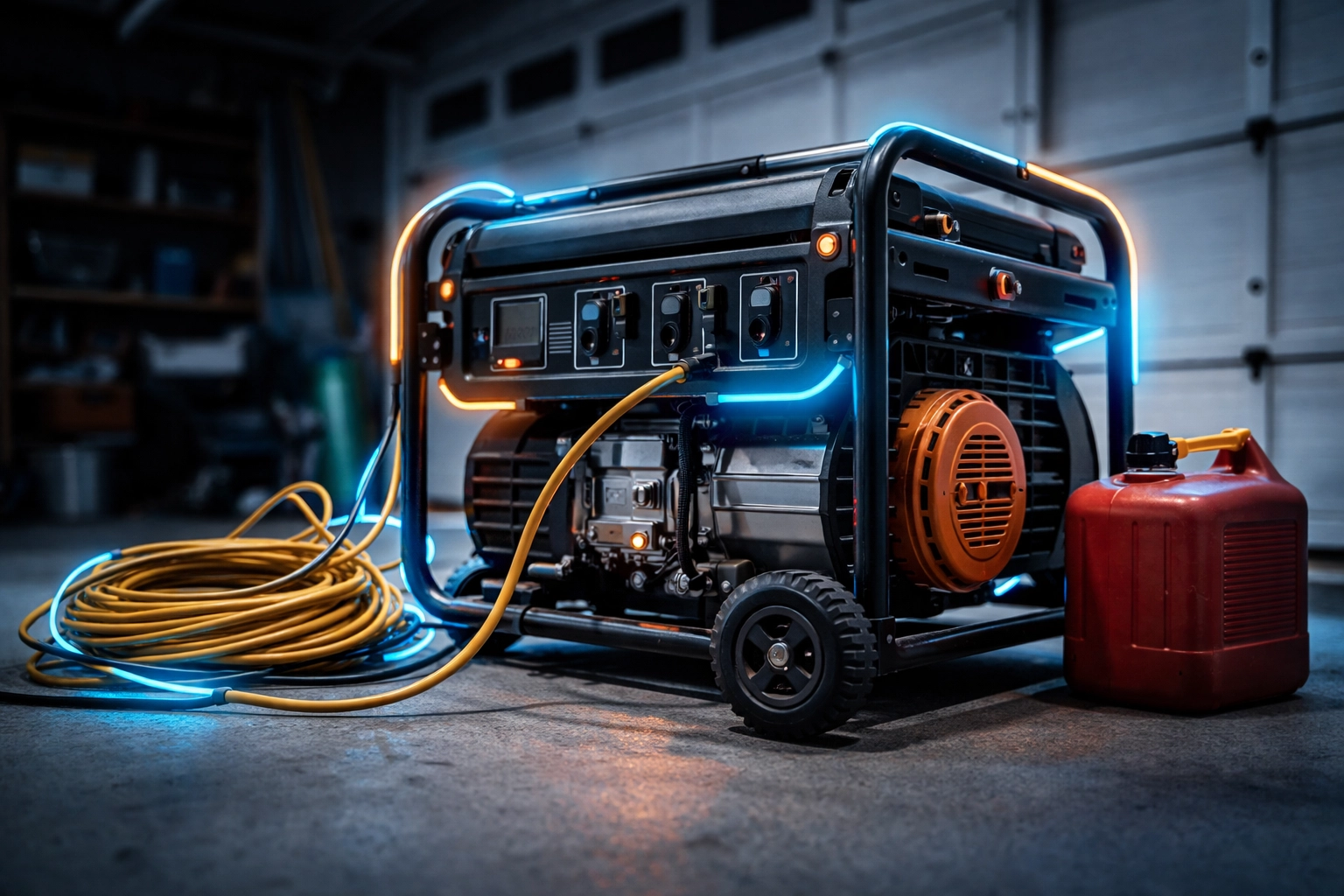
Portable generators are exactly what they sound like: smaller units you can move around and store in your garage. They run on gasoline and require manual setup during an outage. You'll need to wheel it outside, fill the tank, start it up, and run extension cords to the appliances you want to power.
They're affordable. They're flexible. But they have limitations.
Portable generators typically produce 3,000 to 8,000 watts: enough to run a few essentials, but not your whole house. They require constant refueling. And here's the critical part: you have to be home to set them up.
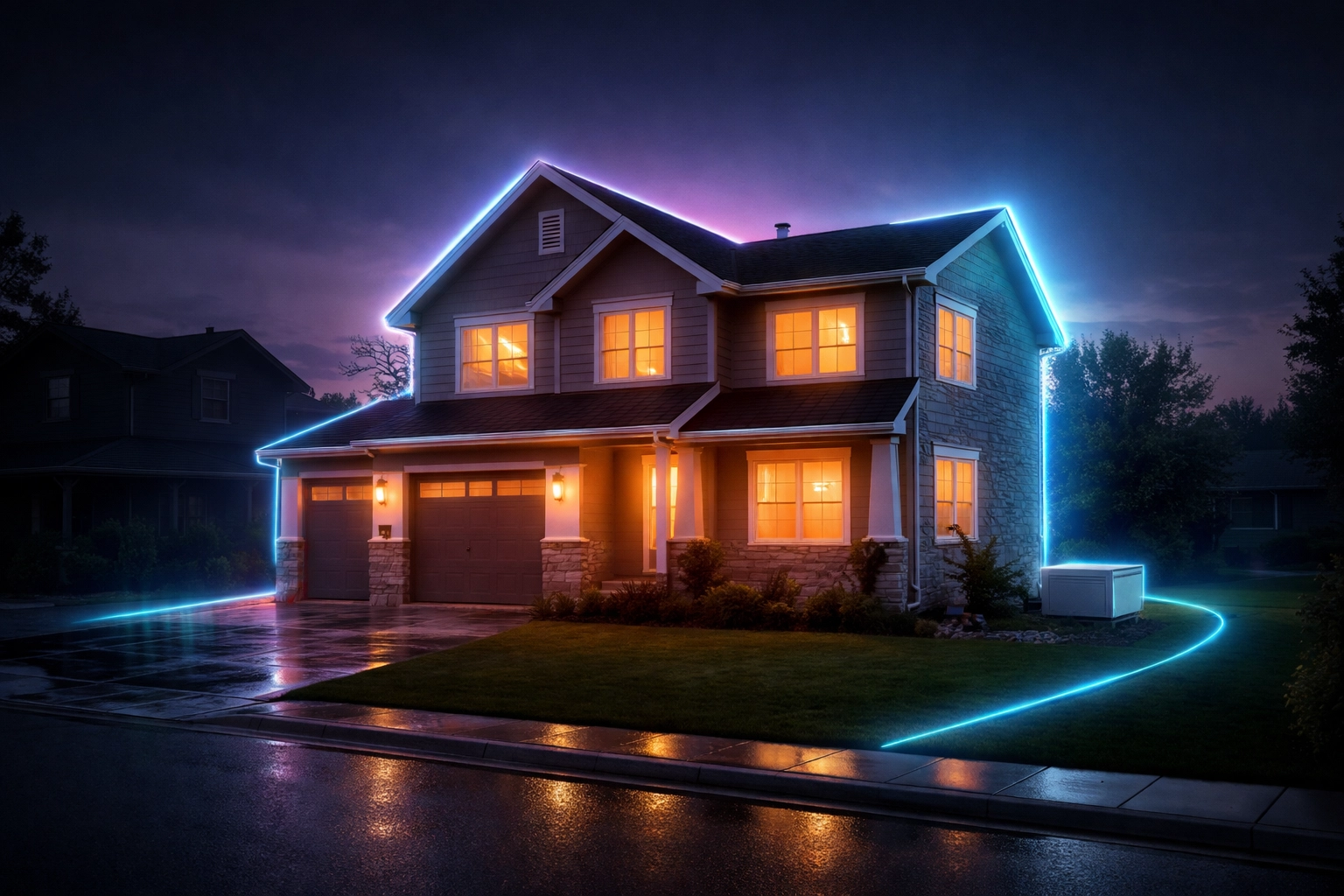
Standby generators operate on a completely different level. These permanent units sit outside your home, connected directly to your electrical system and fuel supply. When the power goes out, they kick on automatically: usually within 7 to 10 seconds. No running outside in a storm. No extension cords. No manual intervention required.
Standby units range from 7 to 22 kW for most homes, with larger properties sometimes requiring up to 50 kW. They run on natural gas or propane, eliminating the need to store and handle gasoline. And because they're professionally installed with automatic transfer switches, they provide seamless, whole-house backup power.
The difference? One is a temporary solution. The other is permanent peace of mind.
The Benefits of Going Standby
Why do homeowners choose standby generator installation over portable alternatives? The reasons go beyond convenience.
Automatic operation. You don't need to be home. You don't need to do anything. The generator monitors your utility power and responds the moment it detects an outage. Heading out of town during storm season? Your home stays protected.
Whole-house coverage. Instead of choosing which appliances get power, a properly sized standby generator keeps everything running. HVAC, refrigerator, sump pump, lights, security system: all of it.
Increased home value. A professionally installed standby generator is a significant home improvement. Buyers recognize the value of built-in backup power, especially in areas prone to outages.
Protection for what matters most. Medical equipment. Home offices. Security systems. Sump pumps that prevent basement flooding. Some things simply can't wait for the power company.
What Goes Into a Standby Generator Installation
Installing a standby generator isn't a weekend DIY project. It's a coordinated effort involving electrical work, fuel connections, and precise planning. Here's what the process looks like when done right.
Planning and Site Preparation
Every installation starts with an assessment. We evaluate your power needs by looking at which systems and appliances you want to keep running during an outage. This determines the generator size you'll need.
Location matters too. Building codes typically require generators to sit at least five feet from windows and doors to prevent exhaust from entering your home. The site needs to be stable, level, and accessible for maintenance.
The generator sits on a pre-cast concrete pad supported by compacted gravel. This foundation prevents sinking and ensures the unit stays level for years to come. We secure the generator with stainless-steel bolts for a rock-solid installation.
Transfer Switch Installation
The transfer switch is the brain of the operation. This critical component sits beside your main electrical panel and manages the flow of power between the utility grid and your generator.
When an outage occurs, the automatic transfer switch disconnects your home from utility power and connects it to the generator. When grid power returns, it switches back. All automatically. All safely.
Without a proper transfer switch, you risk back-feeding electricity into the grid: a dangerous situation that can injure utility workers and damage equipment. This is why professional installation by a licensed electrical contractor isn't optional. It's essential.
Fuel Line Connection
Standby generators run on natural gas or propane, requiring a dedicated fuel line. A licensed technician runs the gas line from your meter to the generator, typically through a trench that also accommodates electrical conduit.
The fuel line gets tested and purged before the generator goes live. Every connection is checked for leaks. Safety isn't something we take shortcuts on.
Electrical Wiring
The final piece connects everything together. We run line-voltage cable from your electrical panel to the generator through approved conduit. The transfer switch gets wired to handle utility power, the service disconnect, and your home's load circuits.
Proper grounding protects the system: and your home: from electrical damage. Every connection follows manufacturer specifications and local codes.
Testing and Activation
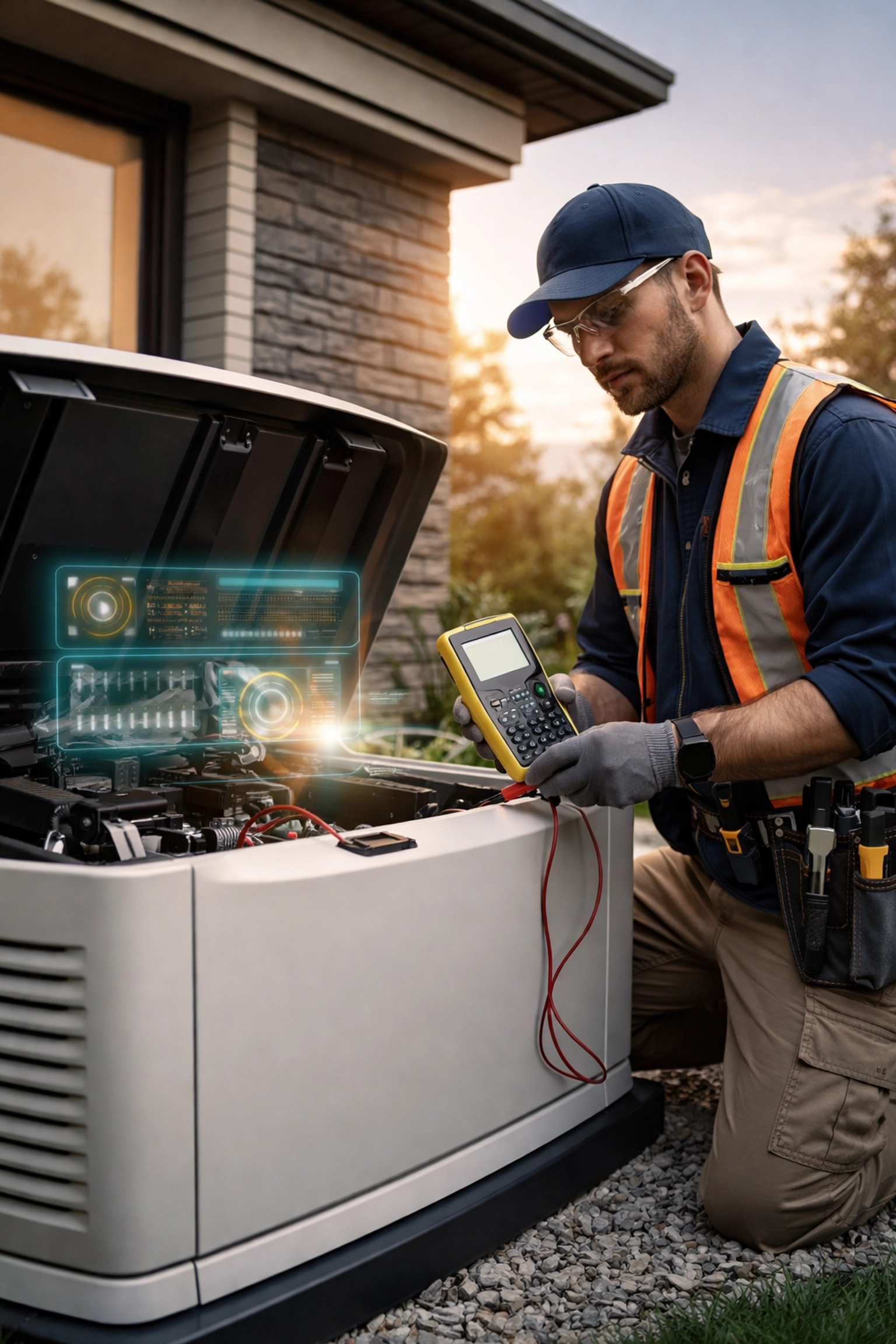
Before we leave, we test everything. The generator runs through its startup sequence. The transfer switch operates correctly. The fuel supply flows properly.
Most standby generators also run automatic self-tests every two weeks, turning on for about 20 minutes to ensure everything stays in working order. Many modern units even send diagnostic signals to homeowners and their electrical contractor, alerting you to any issues before they become problems.
Why Professional Installation Isn't Optional
We understand the appeal of DIY. But standby generator installation involves too many critical safety factors to risk getting wrong.
Electrical hazards. Working with your home's main electrical system carries serious risks. Improper wiring can cause fires, electrocution, or damage to your home's electrical infrastructure.
Gas line dangers. Natural gas and propane require licensed technicians for a reason. A single mistake can lead to leaks, explosions, or carbon monoxide poisoning.
Code compliance. Your installation needs to meet local building codes and pass inspection. Permit requirements vary by location, but a licensed electrical contractor knows exactly what's required in your area.
Warranty protection. Most generator manufacturers require professional installation to maintain warranty coverage. A DIY installation could void your protection entirely.
Optimal performance. A generator that's improperly sized, poorly positioned, or incorrectly wired won't perform when you need it most. Professional installation ensures everything works together seamlessly.
When the power goes out at 2 AM during a winter storm, you need absolute confidence that your system will perform. That confidence comes from knowing the job was done right the first time.
Why Steady-State Electric
At Steady-State Electric, reliability isn't just something we provide: it's who we are. We approach every standby generator installation with the same commitment to excellence that defines all our work.
We take the time to properly assess your needs. We use quality equipment and proven installation methods. We don't cut corners, and we don't leave until everything works exactly as it should.
Need an emergency electrician when something goes wrong? We're here. Want a partner who treats your home like their own? That's us.
Power outages are inevitable. Being left in the dark isn't.
Ready to explore standby generator installation for your home? Contact us today to schedule a consultation. Let's make sure you never have to wonder "how long will this last" again.