7 Mistakes You're Making with Your Home's Electrical System (and How to Fix Them)
![[HERO] 7 Mistakes You're Making with Your Home's Electrical System (and How to Fix Them)](https://cdn.marblism.com/bMiSWTtzM_k.webp)
Your home's electrical system works hard every single day. It powers your morning coffee, keeps your devices charged, and lights your way through late-night snack runs. But here's the thing: most homeowners don't think about their electrical system until something goes wrong.
And by then? Small mistakes have often turned into bigger (and more expensive) problems.
The good news is that many common electrical issues are completely preventable. You just need to know what to look for. We've put together this guide to help you identify the mistakes you might be making right now: and show you how to fix them before they become serious hazards.
Let's dive in.
Mistake #1: Overloading Your Circuits
This one tops the list for a reason. It's incredibly common and potentially dangerous.
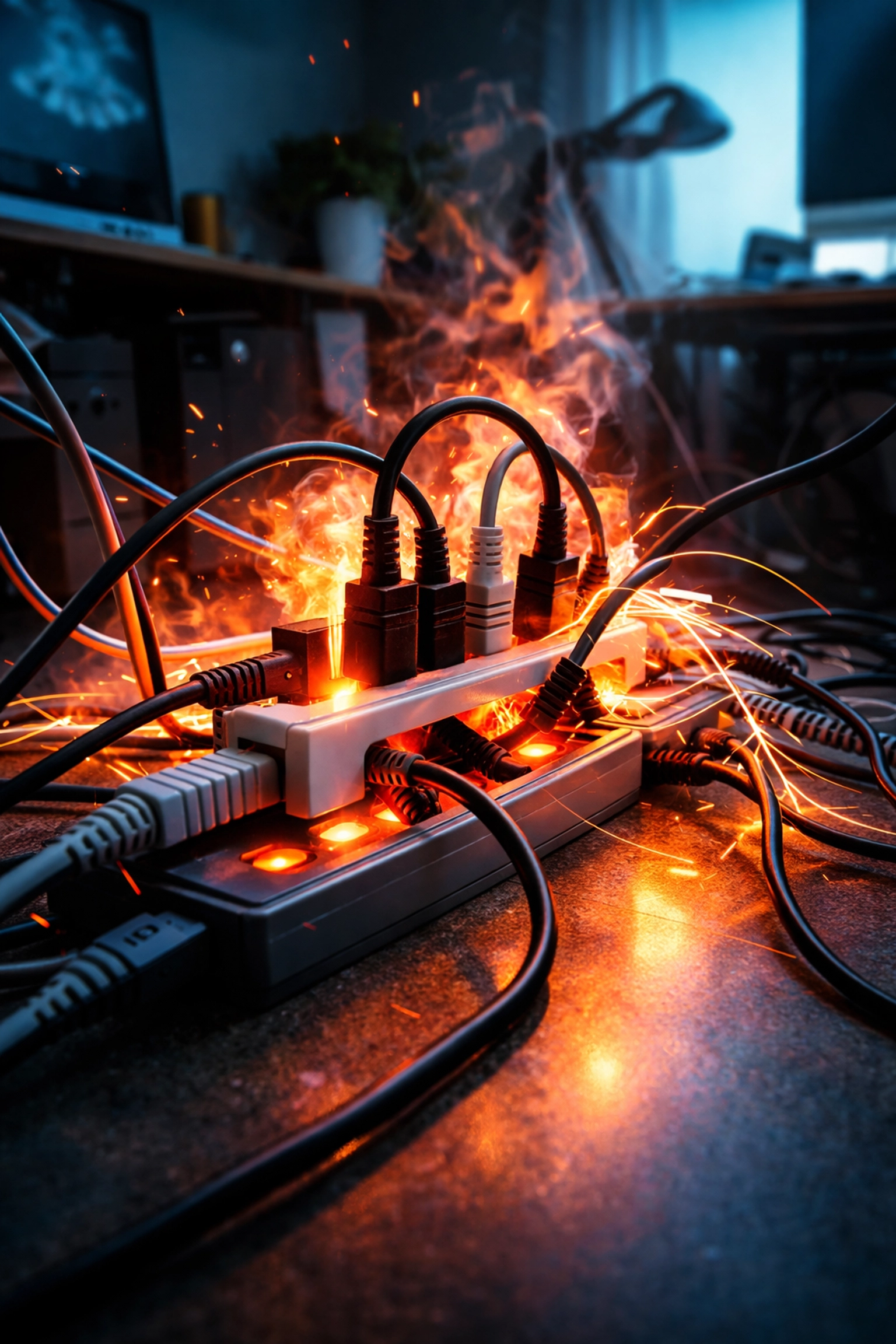
What's happening: You've got a power strip plugged into another power strip (we call this "daisy-chaining"), multiple high-wattage appliances running on the same circuit, or extension cords snaking across your living room like permanent fixtures. Your circuits are designed to handle a specific load: typically 15 to 20 amps. Push beyond that, and you're asking for trouble.
The risks: Frequent breaker trips, overheated wires, and in worst-case scenarios, electrical fires.
How to fix it: Take inventory of what's plugged in where. Redistribute your devices across multiple circuits. Ditch the daisy-chained power strips and invest in quality surge protectors with built-in circuit protection. If you find yourself constantly resetting breakers, it's time to call a residential electrician. You may need additional circuits installed to handle your home's electrical demands safely.
Mistake #2: Using the Wrong Light Bulbs
It seems harmless enough. You grab whatever bulb fits the socket and call it a day. But wattage matters more than you might think.
What's happening: Light fixtures have maximum wattage ratings for a reason. Using a bulb that exceeds that rating generates excess heat: heat that the fixture wasn't designed to handle.
The risks: Overheating can melt fixture components, damage wiring insulation, and create fire hazards. This is especially dangerous in enclosed fixtures where heat has nowhere to escape.
How to fix it: Check the maximum wattage label on every fixture (usually found inside the socket area or on a sticker). Switch to LED bulbs whenever possible. They use a fraction of the wattage while producing the same brightness, making them safer and more energy-efficient. When in doubt, go lower on wattage: not higher.
Mistake #3: Ignoring Flickering Lights
A flickering light might seem like a minor annoyance. Maybe you blame it on an old bulb or a storm outside. But persistent flickering is your electrical system trying to tell you something.
What's happening: Flickering can indicate loose connections, overloaded circuits, or deteriorating wiring. Sometimes it's as simple as a bulb that's not screwed in tight enough. Other times, it signals something more serious lurking behind your walls.
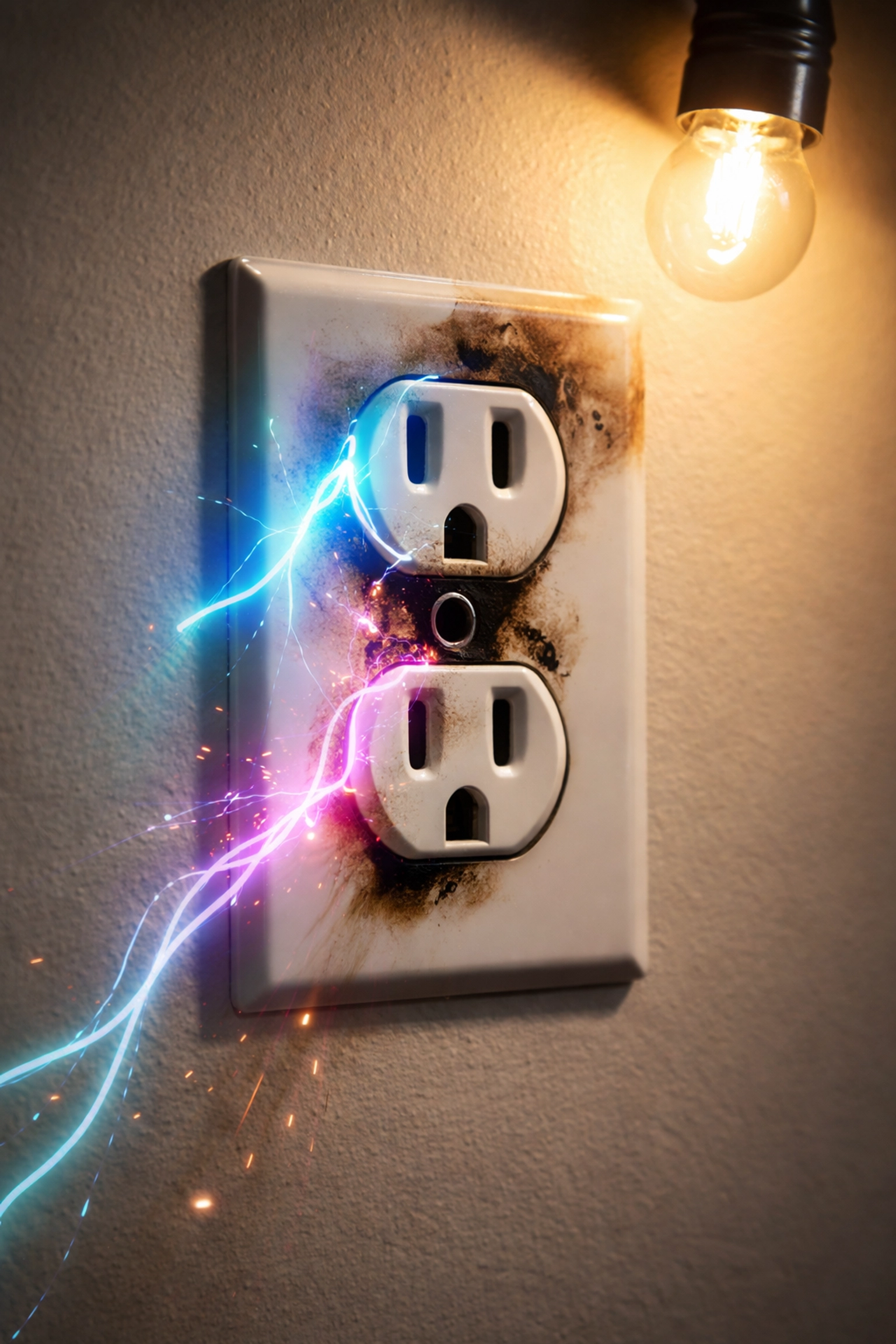
The risks: Loose connections cause arcing: small electrical sparks that can ignite surrounding materials. This is one of the leading causes of residential electrical fires.
How to fix it: Start simple. Tighten the bulb. If that doesn't work, try a different bulb. Still flickering? Check if the issue happens across multiple fixtures or just one. Widespread flickering points to a larger problem that requires professional attention. A qualified electrical contractor can diagnose the root cause and make repairs before a small flicker becomes a big disaster.
Mistake #4: Tackling DIY Electrical Work Without Proper Knowledge
We get it. YouTube tutorials make everything look easy. And there's real satisfaction in fixing something yourself. But electrical work isn't the same as hanging shelves or painting a room.
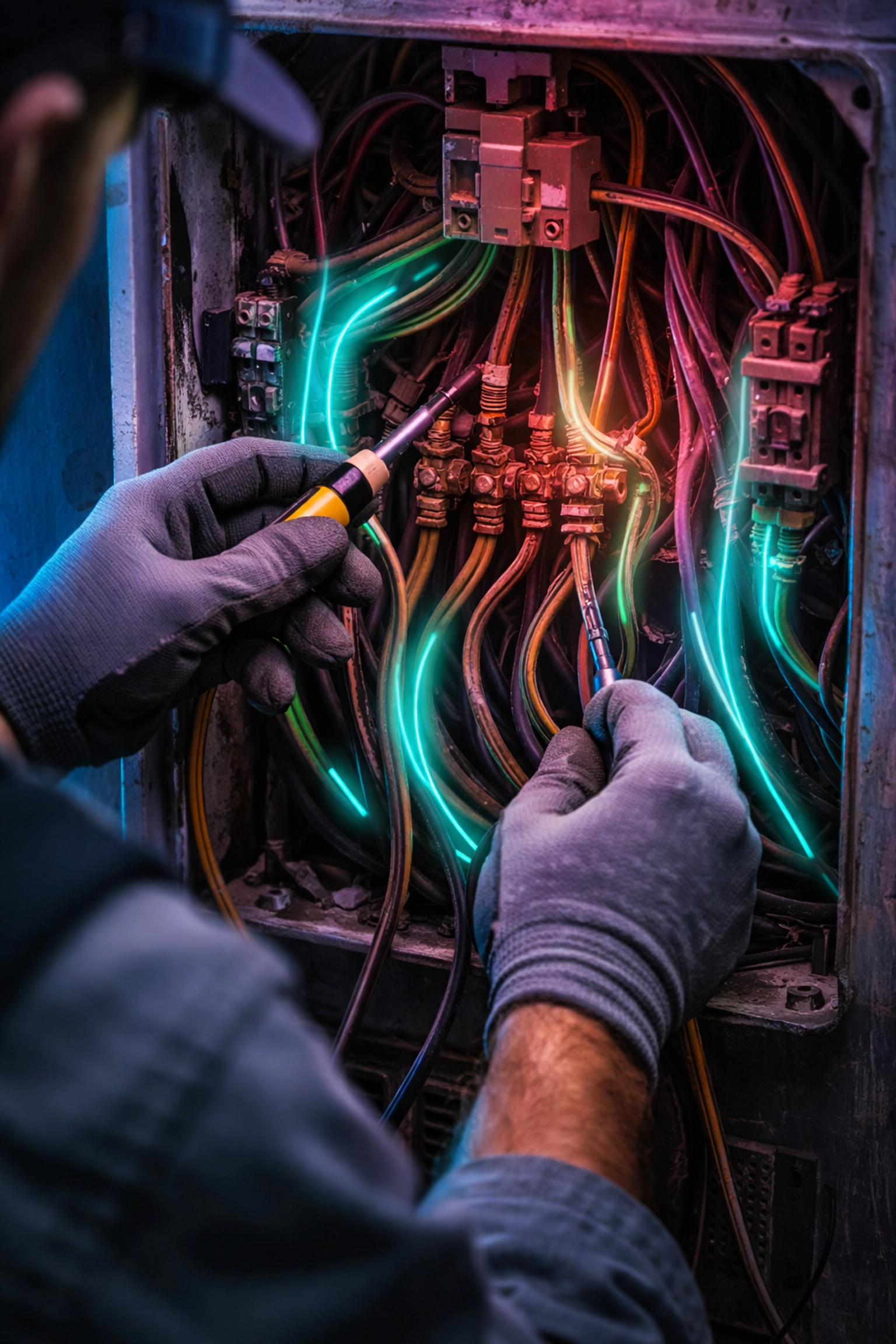
What's happening: Homeowners attempt repairs or installations without understanding electrical codes, proper wire sizing, or safety protocols. Common mistakes include mixing up neutral and hot wires, making poor connections, and failing to ground systems correctly.
The risks: Electrical shocks, damaged appliances, voided insurance policies, failed home inspections, and house fires. Mixing up wires alone can cause serious injury or death.
How to fix it: Know your limits. Changing a light switch? Probably manageable if you've done your research and killed the power at the breaker. Installing a new circuit, upgrading your panel, or dealing with anything involving your main service? That's professional territory.
We always say: when it comes to electrical services, getting it done right the first time is worth far more than the money you'd save on a DIY attempt gone wrong. Your safety: and your family's safety: isn't worth the gamble.
Mistake #5: Neglecting Outdated Wiring
Out of sight, out of mind. That's how most people treat the wiring hidden in their walls. But if your home was built more than 30 or 40 years ago, your wiring might not be up to the task of powering modern life.
What's happening: Older homes may have aluminum wiring, knob-and-tube wiring, or undersized circuits that simply weren't designed for today's electrical demands. We're charging more devices, running more appliances, and using more power than ever before.
The risks: Outdated wiring deteriorates over time. Insulation breaks down. Connections loosen. The result? Increased fire risk, unreliable power, and potential code violations that could affect your home's value.
How to fix it: If you're experiencing frequent electrical issues, notice a burning smell near outlets, or your home still has a fuse box instead of a breaker panel, schedule an electrical inspection. A residential electrician can assess your system and recommend upgrades that bring your home up to current safety standards.
Mistake #6: Using Extension Cords as Permanent Solutions
Extension cords are meant to be temporary. Emphasis on temporary.
What's happening: That extension cord you ran behind the couch three years ago? It's still there. Maybe you've got one powering your home office setup or running across the hallway to reach a lamp. Over time, these "temporary" solutions become permanent fixtures.
The risks: Extension cords aren't designed for long-term use. They can overheat, become tripping hazards, and degrade over time: especially if they're hidden under rugs or furniture where damage goes unnoticed.
How to fix it: If you need power somewhere that doesn't have an outlet, the answer isn't a longer extension cord. It's a new outlet. Adding outlets where you actually need them is a straightforward job for an electrical contractor and eliminates the risks that come with extension cord dependency.
Mistake #7: Ignoring Warm Outlets or Switch Plates
Here's one that often gets overlooked. You go to unplug something and notice the outlet feels warm. Or the switch plate covering your dimmer switch is noticeably hot to the touch.
What's happening: Some warmth on dimmer switches is normal: they're designed to dissipate small amounts of heat. But standard outlets and switches should never feel warm. Heat indicates resistance in the circuit, often from loose connections, damaged wiring, or an overloaded circuit.
The risks: Excessive heat is a warning sign of potential electrical fire. The longer it goes unaddressed, the greater the risk.
How to fix it: Don't ignore this one. Unplug devices from warm outlets and avoid using them until you've had the issue inspected. This isn't a wait-and-see situation. Contact a professional to diagnose and repair the problem promptly.
When to Call a Professional
DIY has its place. But electrical work demands respect. Here are clear signs it's time to pick up the phone:
- Breakers trip immediately after being reset
- You notice burn marks or discoloration around outlets or your panel
- Multiple circuits trip at the same time
- You smell burning with no visible source
- Outlets or switches feel warm or spark when used
- You're planning any addition, renovation, or major appliance installation
At Steady-State Electric, we believe in doing things right the first time. Our team of experienced electricians handles everything from simple repairs to complete system upgrades: all with your safety and peace of mind as our top priority.
Protect Your Home. Protect Your Family.
Your electrical system is the heartbeat of your home. Keeping it healthy means staying aware of these common mistakes and addressing issues before they escalate.
Not sure where your home stands? We're here to help. Contact us for an electrical safety inspection, and let's make sure your home's electrical system is working as hard: and as safely( as it should be.)